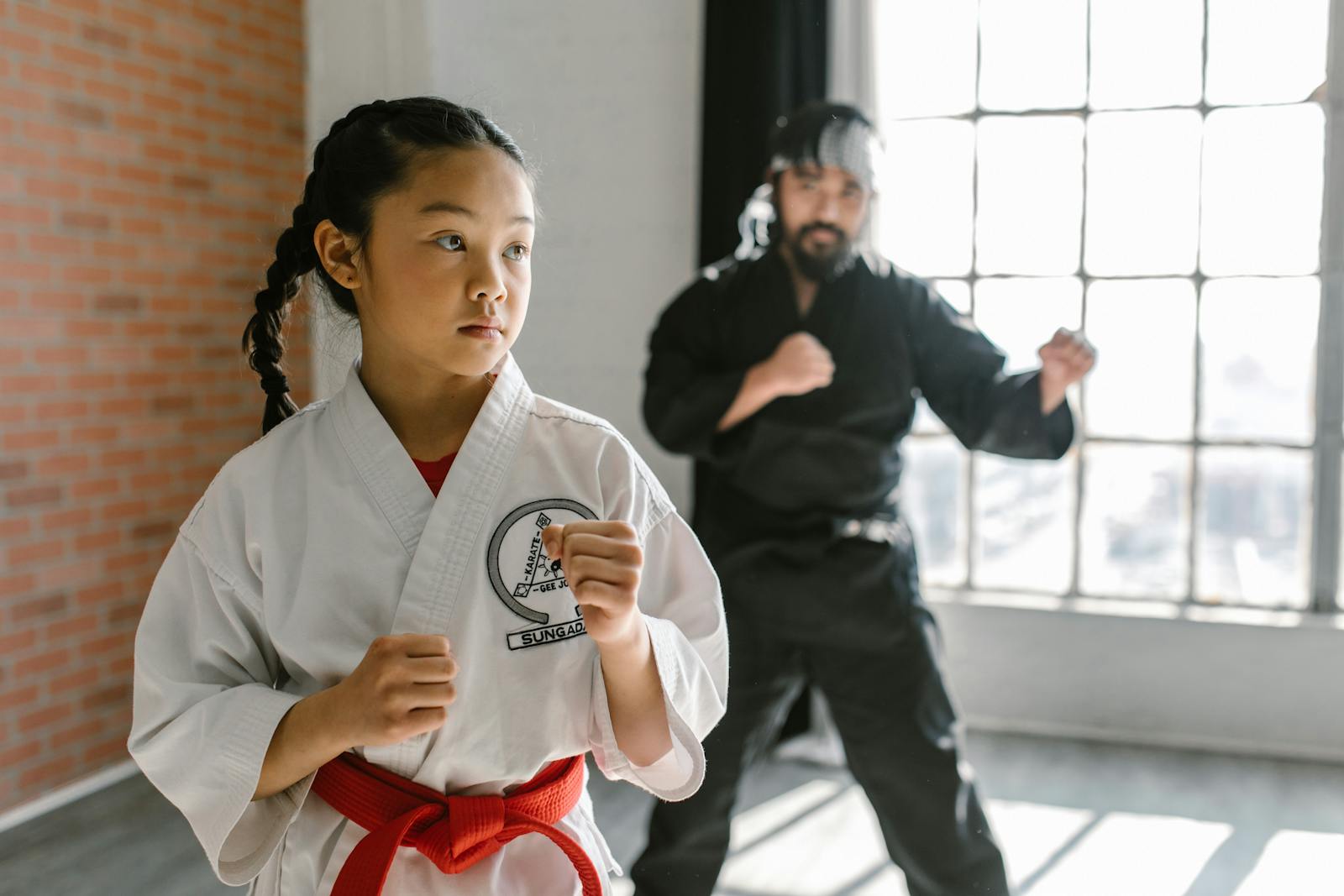
Jiu-Jitsu, a martial art originating in Japan and further developed in Brazil, has exploded in popularity worldwide. Known for its intricate grappling techniques and submissions, Jiu-Jitsu is much more than a combat sport or self-defense system—it is a holistic practice that extensively benefits both body and mind. Its adoption as a key pillar in mixed martial arts (MMA) and growing presence in health and fitness communities speaks volumes about its transformative powers. This article dives deep into the health and wellness perspective of Jiu-Jitsu, explaining why practitioners, from hobbyists to competitive athletes, often describe it as life-changing.
Physical Health Benefits
Jiu-Jitsu delivers comprehensive physical transformation through multiple pathways. Unlike machine-based gym routines, constant pushing, pulling, and balancing develop functional strength, core stability, and improved posture. The sport’s nature of short, intense bursts of exertion interspersed with controlled movement creates an effective interval training workout that boosts cardiovascular health and enhances metabolic efficiency. Practitioners experience significant fat loss while preserving lean muscle mass, and consistent training naturally increases flexibility and joint mobility—particularly in the hips, back, and shoulders. Beyond aesthetic gains, Jiu-Jitsu heightens proprioception (body awareness in space), teaching practitioners to fall safely and distribute weight effectively, which reduces injury risk both on and off the mats. This combination of functional strength, cardiovascular fitness, weight management, and injury prevention makes Jiu-Jitsu a complete physical wellness solution.
Mental and Emotional Wellness
The mental health benefits of Jiu-Jitsu are equally transformative. When on the mats, the demands of technique and the necessity to stay present force practitioners into a state of “flow,” acting as active meditation that reduces stress hormones and promotes emotional regulation. Learning new techniques, overcoming challenges, and successfully defending oneself builds significant confidence and self-esteem—particularly valuable for those struggling with insecurity or anxiety. The constant need to adapt and solve problems under pressure develops emotional resilience and strategic thinking that transfer directly to real-life stressors. An often-overlooked aspect is the strong sense of community Jiu-Jitsu fosters, where practitioners from all walks of life bond over shared effort and mutual respect. This social network provides support, accountability, and belonging—crucial factors linked to long-term happiness and life satisfaction. Growing research confirms these benefits, with studies linking martial arts participation to reduced anxiety and depression symptoms, improved mood, and positive self-concept.
Universal Accessibility and Empowerment
One of Jiu-Jitsu’s greatest strengths is its universal appeal and accessibility. Classes welcome people of all ages, genders, and fitness levels, with instructors offering modifications and progressions for individual needs. From young children learning discipline and respect to seniors maintaining mobility and cognitive sharpness, everyone benefits. The discipline is also transformative for trauma survivors and those in rehabilitation, thanks to the personalized, non-judgmental approach most instructors adopt. Beyond the gym, Jiu-Jitsu equips individuals with practical self-defense skills rooted in leverage and technique rather than brute force—particularly empowering for women and those seeking effective solutions to personal safety concerns.
Holistic Lifestyle Integration
Many practitioners discover that Jiu-Jitsu encourages a comprehensive wellness approach that extends far beyond training sessions. The discipline naturally prompts awareness of sleep quality, mindful nutrition, hydration, and recovery routines—all essential for optimizing performance on the mats. This comprehensive lifestyle shift leads to positive, sustainable habits that improve overall health and wellbeing far beyond what any single exercise could achieve. The journey through Jiu-Jitsu becomes a catalyst for long-term transformation, fostering a stronger, more resilient, and empowered version of oneself.
Getting Started
For beginners, stepping onto the mats may seem intimidating, but most schools create welcoming environments focused on safety and etiquette. Initial sessions emphasize basic movements and fundamental techniques, allowing students to progress at their own pace. All that’s required is comfortable athletic clothing and a willingness to learn—no prior experience necessary.
Jiu-Jitsu stands out as a transformative path to health and wellness that addresses physical fitness, mental resilience, emotional stability, and community belonging simultaneously. Whether seeking to improve overall fitness, find an outlet for stress, or join a vibrant, supportive community, embracing the gentle art offers immediate and lifelong benefits that transcend the mats. In Jiu-Jitsu, you don’t just learn to grapple—you discover a stronger, more resilient version of yourself, both inside and out.