
The Apple Watch 11 is often marketed as a fitness device, but that framing undersells what is actually happening under the hood. It is not one app. It is a stack of interconnected systems: movement, recovery, and mindfulness. That trio creates a behavioral ecosystem that most competitors still treat as separate silos. Apple’s integration is subtle, but strategically it is the company’s most overlooked advantage in consumer wellness.
Start with movement. Fitness+ ties structured exercise, heart rate metrics, and training volume into a cohesive experience. You get session level insight, cumulative trends, and a frictionless content library that meets you where you are. Nothing groundbreaking on its own — plenty of platforms can guide workouts. The difference is what happens next.
Mindfulness is the connective tissue between physical stress and psychological load. The Mindfulness app’s reminders are not random. They respond to trends in heart rate variability, resting heart rate, and even environmental cues like time of day. These micro-interventions create cognitive breaks that reduce sympathetic nervous system dominance. In plain language: they help you downshift instead of perpetually redlining. Most fitness platforms ignore this dimension entirely, treating stress as external to training. Apple treats stress as part of the training equation.
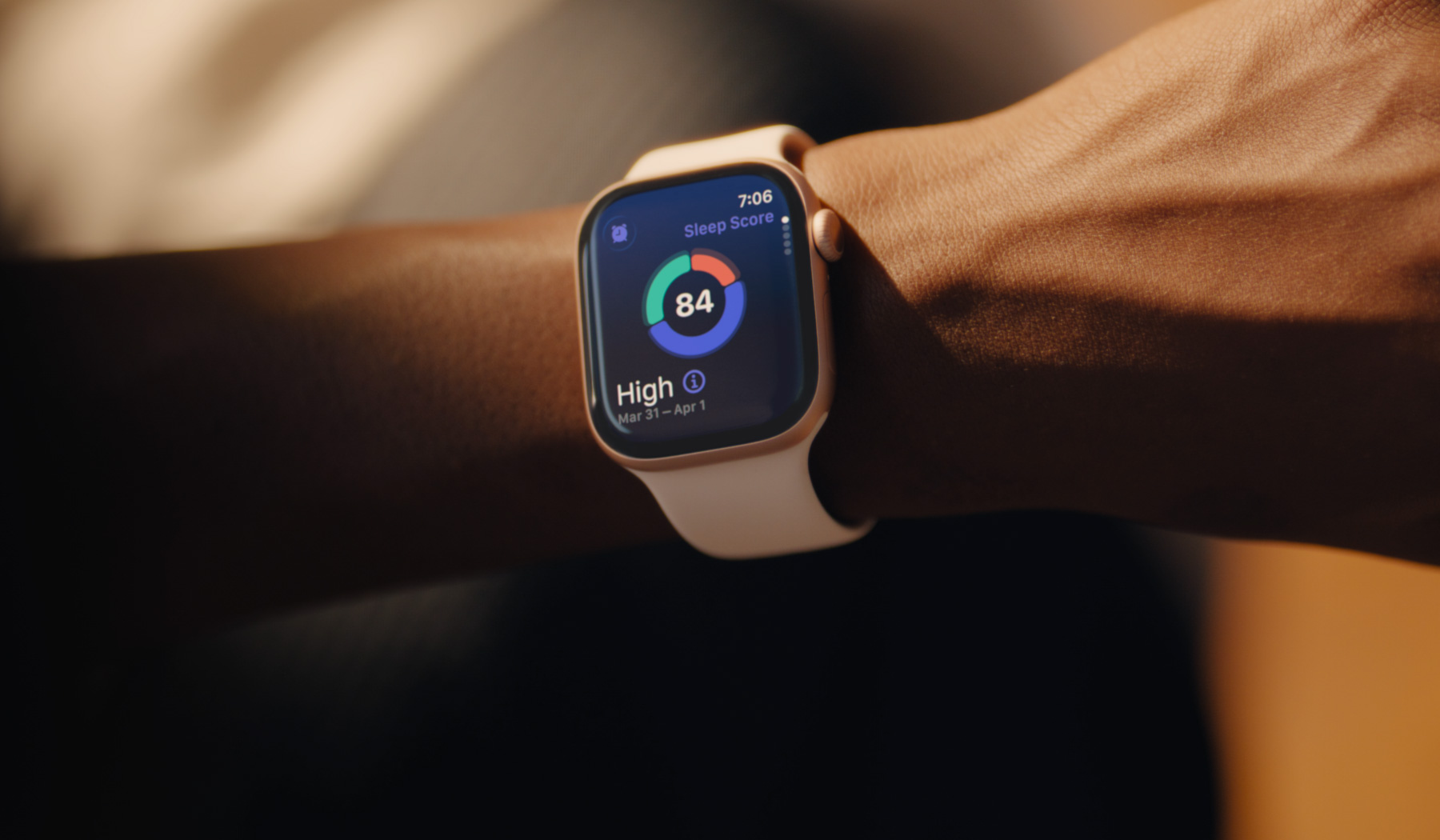
Then you have rest and recovery. Sleep tracking used to be a vanity metric — total hours in bed and little else. On the Apple Watch 11, sleep data feeds into readiness, mood, stress tolerance, and activity recommendations. If your sleep dips or your resting heart rate trends upward, the watch adjusts nudges accordingly. This is the opposite of the old “close your rings at all costs” doctrine. It is a recognition that unstructured hustle burns out the engine.
The magic is in how these three pillars interact. Movement influences mental state. Mental state influences recovery. Recovery influences movement capacity. The Watch 11 closes that loop. You are not just tracking calories. You are learning your cycles. You begin to see when stress spikes, sleep dips, and focus drops. You catch patterns earlier and intervene before problems compound. That is the essence of preventive wellness.
This systems approach matters because wellness is not a single metric. Steps do not tell you if you are thriving. Sleep hours do not tell you if you are coping. Meditation minutes do not tell you if you are recovering. The relationship between the metrics is what determines health trajectory. Apple has built the first mainstream device that treats it that way.
Most platforms still sell isolated features. A meditation app here. A fitness subscription there. A sleep tracker somewhere else. Users are left to interpret the connections themselves. Apple collapses that cognitive burden. The Watch 11 integrates data across domains, adjusts feedback based on context, and closes the loop with actionable nudges.
This is not hype. It is a structural shift in how consumer devices shape behavior. When fitness, mindfulness, and rest stop competing for your attention and start informing each other, you get a wellness stack instead of a wellness hobby. That stack is why the Watch 11 feels coherent instead of chaotic — and why it is quietly defining the future of mainstream health tech.