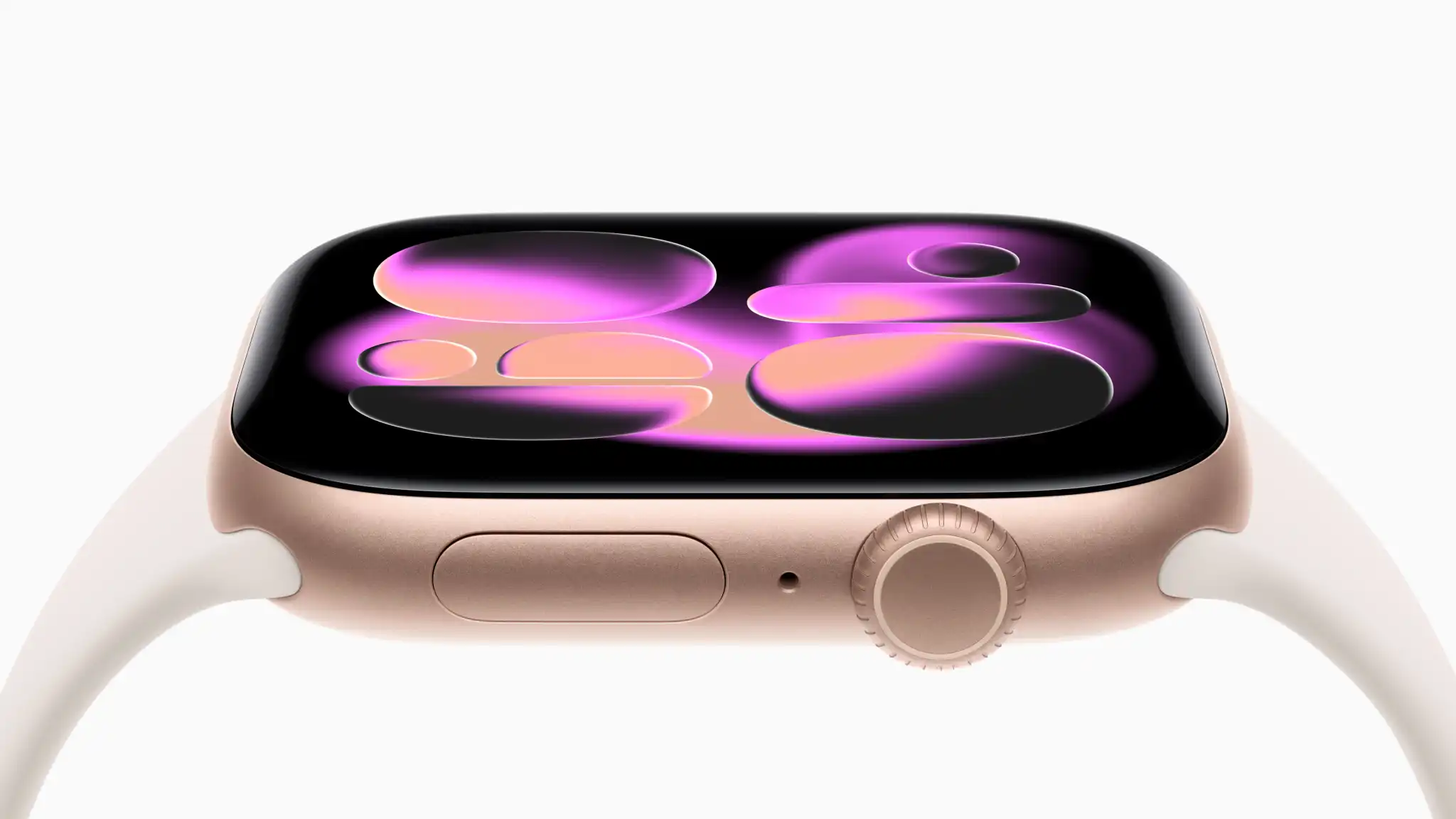
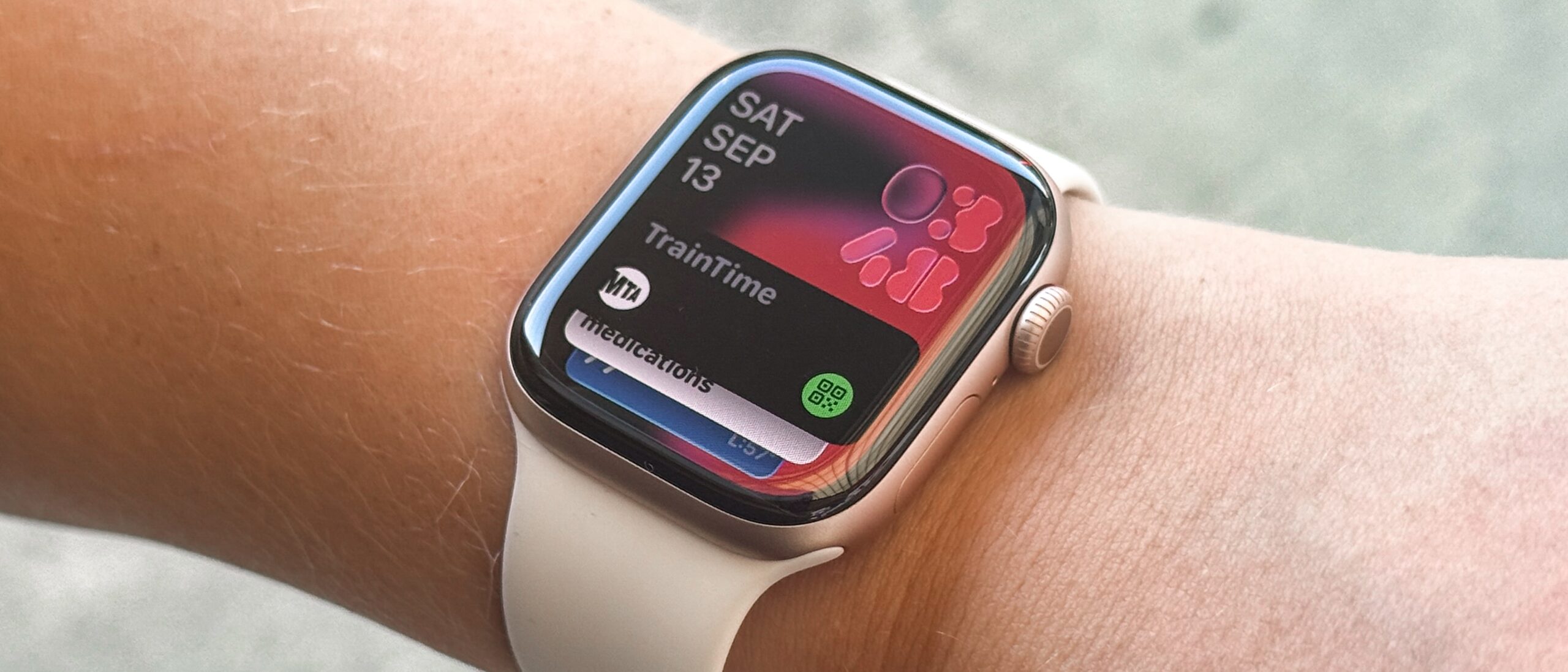
Health data is gold. Most companies behave accordingly. They harvest it, warehouse it, analyze it, and monetize it. Apple takes a different position. With the Apple Watch 11, the company doubles down on a privacy-first architecture where key health signals are processed on-device and encrypted end-to-end. That is not marketing fluff. That is product strategy backed by infrastructure investment.
Why does this matter. Because digital health is shifting from basic step counts to highly personal biometrics: heart rate variability, respiratory patterns, sleep architecture, temperature drift, mental stress proxies, menstrual cycle data, and eventually genomic and metabolic signals. These data streams describe who you are physically and psychologically. If leaked or misused, they become liabilities for the user. If protected, they become assets.
Apple understands that the real competitive advantage in consumer health is trust. Hardware and sensors commoditize. Algorithms replicate. Coaching logic becomes table stakes. What does not commoditize is a user’s willingness to hand over their biological telemetry. That willingness only exists if the user believes their information will not be repackaged, sold, or fed into opaque ad platforms. Apple’s privacy model ensures that health data is owned by the user, not by the ecosystem.
This architecture becomes more strategic as AI health coaching comes online. AI assistants need training data. Health insights need historical baselines. Behavioral nudges need context. If users do not trust that their data is secure, they will never allow these loops to exist at scale. The result is stalled adoption, fragmented data, and zero impact. Apple is playing a long game where privacy is not a compliance checkbox but a market differentiator.
On-device processing is the keystone. By keeping analysis local, Apple avoids the data exfiltration risk that cloud-heavy competitors introduce. Encryption and secure enclaves reduce attack surface area. The user controls data sharing with clinicians, apps, or research programs rather than being defaulted into surveillance capitalism. Apple does not need health data to fuel an advertising business model because it does not have one. That business model insulation gives Apple strategic room to prioritize user trust without sacrificing revenue streams.
The broader context is simple. AI health ecosystems are coming. Insurers, healthcare systems, pharmaceutical firms, and consumer platforms will all compete to be the interface layer for preventive care. The platform that wins will not be the one with the shiniest sensors. It will be the one users trust enough to integrate into the most private parts of their lives.
Apple’s privacy stance is not moral posturing. It is market positioning. Trust drives adoption. Adoption drives data quality. Data quality drives meaningful health outcomes. Remove trust and the stack collapses. The Apple Watch 11 proves that privacy is not a side feature. It is the ultimate health feature because without trust, there is no participation. And without participation, there is no impact.