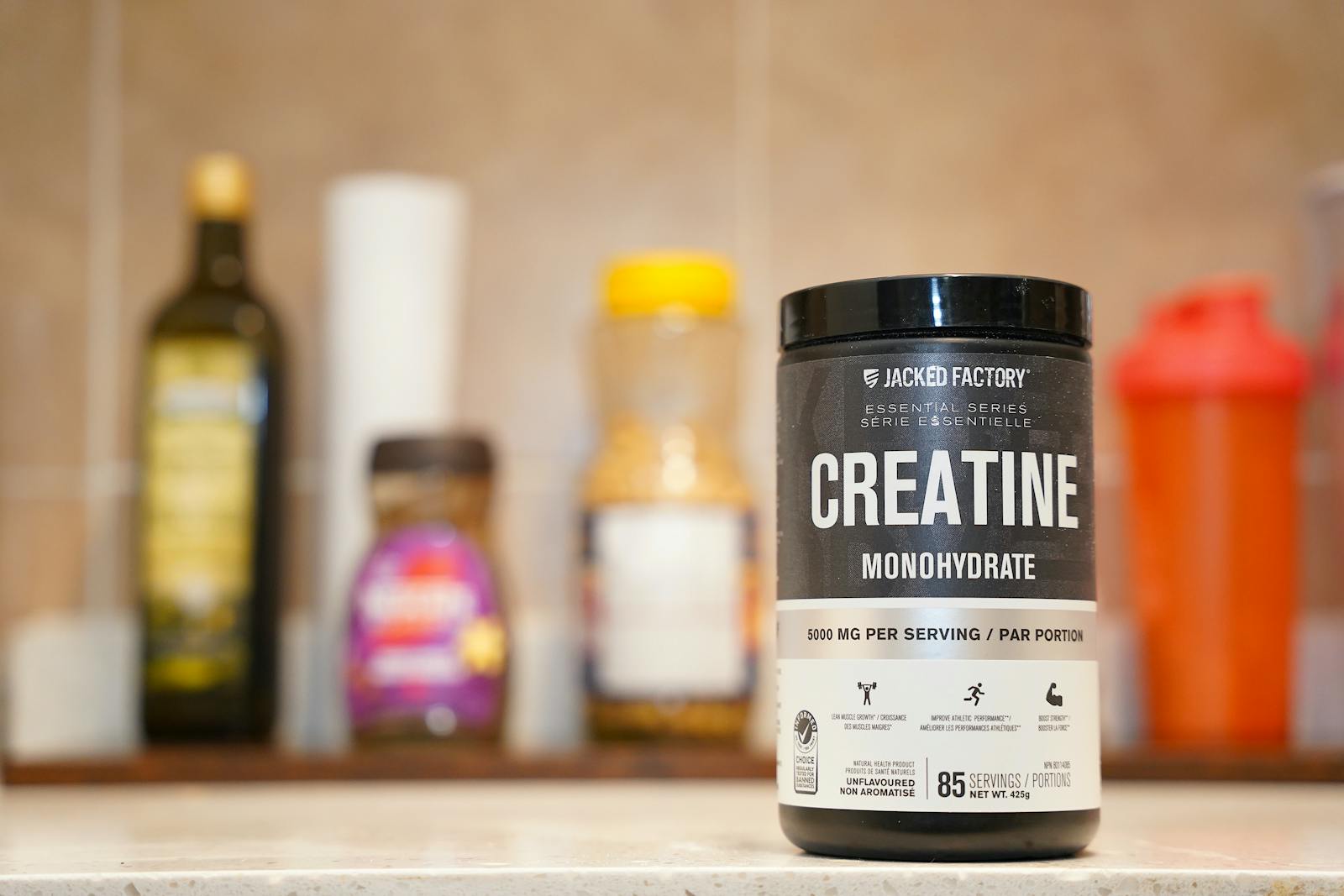

Dialling in your pre and post training nutrition is a performance multiplier. Most lifters and endurance athletes obsess over programming and gear while treating nutrition as an afterthought. That is operational malpractice. Fuel timing and composition directly influence energy availability, training quality, recovery kinetics, and adaptation. The rules are not complicated, but execution requires intent.
Start with pre workout strategy. The objective is simple. You want glucose in the bloodstream, glycogen topped up, and hydration on point. That means eating a real meal two to three hours before training or a lighter snack thirty to sixty minutes prior if time is tight. Prioritise easily digestible carbohydrates because they are the fastest mechanism for fuelling muscular contractions. Fruit, bread, bagels, rice, oats, whole grain cereal with low fat milk, or starchy vegetables such as potatoes and sweet potatoes get the job done.
Protein pre training is not about immediate muscle building. It is about supplying amino acids to limit muscle breakdown during the session. You do not need a steak. Poultry, fish, tofu, tempeh, eggs, dairy, or a simple Greek yoghurt cup work well. Fats should be minimal pre workout because they slow gastric emptying. You want fuel ready, not stuck in digestion.
Hydration is mission critical. Go into a session dehydrated and your performance tanks. A practical play is sixteen to twenty ounces of fluid in the hours before training. Electrolytes become relevant in hot environments or long sessions. Simplify by adding a pinch of salt to water or using a low sugar electrolyte tab.
Now pivot to post workout strategy. The mission post training is restoration and adaptation. You need carbohydrates to replenish glycogen and protein to trigger muscle protein synthesis. The thirty to sixty minute post workout window is not a myth. It is a period where muscle cells are more insulin sensitive and primed for nutrient uptake. Chocolate milk is a popular choice because it delivers a roughly three to one carb to protein ratio. You can replicate that formula with real food. Combine lean meats, eggs, dairy, legumes, soy based proteins, or ready to drink shakes with rice, potatoes, oats, bread, or fruit. The format does not matter. The macronutrient profile does.
Antioxidant rich foods matter because training generates oxidative stress. Strategic intake of berries, leafy greens, and colourful vegetables helps reduce inflammation and improve recovery. Do not turn this into a supplement hunt when blueberries and spinach work perfectly well. Rehydration closes the loop. Water works for most. Electrolytes are necessary after long sessions, heavy sweating, or endurance work.
A few tactical considerations. If you train early and cannot get a full pre workout meal, lean on fast carbs like banana plus whey mixed in water. If you train twice per day, compress the recovery window aggressively with rapid carbs and protein to reload glycogen. If weight loss is a goal, do not starve your post workout window. Cutting post training is a recipe for poor recovery, reduced performance, and higher injury risk.
The strategic picture is clear. Pre workout nutrition drives training output. Post workout nutrition drives adaptation. Both are controllable variables. Protein, carbs, fluids, and antioxidants form the operating model. Get those right and your training will become more productive, your recovery will improve, and your results will compound over time.