
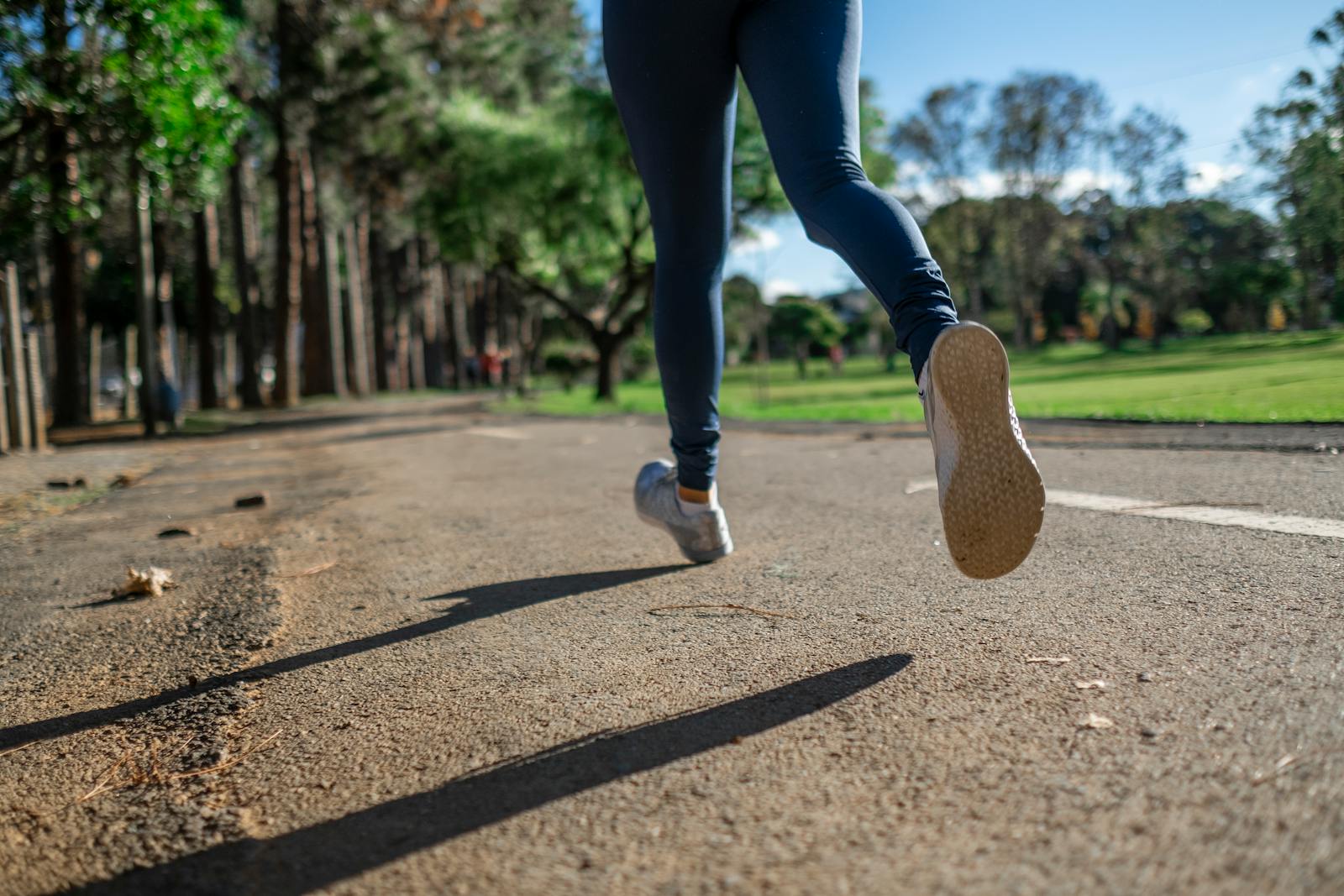
A deep review of runner data uncovered a clear pattern. Poor sleep almost doubles the risk of injury compared to good sleep. This insight comes from recent sports science research. The core message is direct: sleep is not just recovery. It is risk management. Athletes at every level must treat sleep with the same rigor as training and nutrition.
The Sleep and Injury Link
Sleep plays multiple roles that prevent injuries. During deep sleep, the body releases growth hormone. This drives muscle repair and adaptation. Tendons, ligaments and muscle fibers damaged in training rebuild at night. If sleep is cut short, the repair process slows. Tissues stay weaker. Injury risk climbs.
Sleep also shapes pain and inflammation. When people sleep less, inflammatory markers spike and pain sensitivity rises. The body feels more fragile. Movements become less controlled because sleep loss reduces proprioception. That is the sense of where your body is in space. Low proprioception equals sloppy mechanics and higher injury probability.
Cognitive Impact
Sleep fuels attention, reaction and decision-making. Tired runners miss training red flags. They misjudge terrain. Their form degrades. All of these points are injury drivers. This is where sleep proves to be a strategic safety asset.
The Data
The numbers are blunt. Runners who sleep less than six hours show far more injuries than runners hitting seven to nine hours. The impact scales. Each missing hour below recommended levels pushes risk higher.
Duration is not the full story. Sleep quality matters just as much. Interrupted or fragmented sleep raises injury risk even when total time in bed looks acceptable. Consistency and continuity are strategic levers, not just total hours.
Injury Types
Sleep-deprived athletes report more slow-burn injuries. Stress fractures, shin splints and overuse issues around knees and hips are common. These injuries build from microdamage that should be repaired at night. Without proper sleep, microdamage stacks until it becomes a diagnosis.
Acute injuries like falls or collisions are less tied to sleep loss. However, the ability to recover from any injury declines with poor sleep. Sleep influences prevention and recovery timelines.
Female Runners
Female athletes may face higher sensitivity to sleep loss. Hormonal cycles affect sleep quality and training stress. This can explain higher injury rates in certain female cohorts. The takeaway is not to panic. It is to monitor and adjust load, sleep and recovery with more precision.
Circadian Rhythm
Training at times that ignore your biological clock can amplify risk. For example, early morning sessions for a natural night owl may degrade sleep and performance. Aligning training with chronotype can reduce risk and improve outcomes.
Practical Sleep Strategy for Runners
Treat sleep as a critical operational pillar. Some simple rules help:
• Keep consistent sleep and wake times
• Optimize for a dark, cool, quiet room
• Avoid screens one to two hours before bed
• Cut caffeine after lunch
• Avoid high-intensity training close to bedtime
Regular exercise improves sleep, but timing matters. Finish intense sessions at least three hours before bed. Add stress-management tactics like breath work or short meditation. These outperform supplements long term.
Recovery Weeks
Pairing recovery weeks with increased sleep drives strong results. Lower training volume reduces damage. More sleep accelerates adaptation. Runners who follow this model get hurt less. The logic is simple. Reduce load and boost repair there is no downside.
Overtraining
Sleep loss can trigger or accelerate overtraining syndrome. Symptoms include fatigue, elevated resting heart rate, irritability, sleep disruption and higher injury rates. This becomes a loop. Poor sleep worsens overtraining and overtraining worsens sleep. Breaking the loop requires reducing workload, improving sleep and boosting nutritional support.
Tracking and Personalization
Wearables are not perfect. But they provide directional feedback on sleep length, deep sleep and interruptions. Use this data to test and validate what works. Heavy training phases may require nine to ten hours for some athletes. There is no one-size-fits-all rule. Discover your personal baseline through trial, tracking and honest self-assessment.
Clinical Support
If sleep stays bad despite good habits, consider professional evaluation. Sleep apnea, restless legs and circadian disorders are common and highly disruptive. Treating these issues improves performance, injury resistance and general health. Athletes should not hesitate to get clinical input.
The Bottom Line
Sleep doubles as injury prevention infrastructure. Elite athletes understand this and protect sleep with the same discipline they apply to strength work or nutrition. Recreational runners should copy that mindset.
Training progression, strength work, good footwear and nutrition all matter. But without sleep, these levers have limited upside. Runners who want consistent performance and low injury downtime need to make sleep a non-negotiable part of their operating model.
Disclaimer: This post is informational only and not a substitute for qualified medical advice. Always validate decisions with a certified professional.


Earn your airdrop on Aster https://is.gd/ZceEI6
Hello https://is.gd/tvHMGJ