

Healthcare is undergoing a strategic realignment. For decades, the operating model has been primarily reactive. People get sick, they see a doctor, they get a prescription, they manage a condition. This cycle creates recurring revenue for pharmaceutical companies and service providers, but it destroys quality of life for patients and drives unsustainable costs across public and private systems.
The paradigm is shifting. Preventive health is no longer a vanity play for early adopters or fitness enthusiasts. It is becoming a necessity for a world dealing with aging populations, lifestyle-driven chronic disease, and inflated medical costs. Proactive wellness is the most cost-efficient and scalable approach to population health, and the signal is clear across policy, technology, and consumer behavior.
The Cost Reality Nobody Likes to Admit
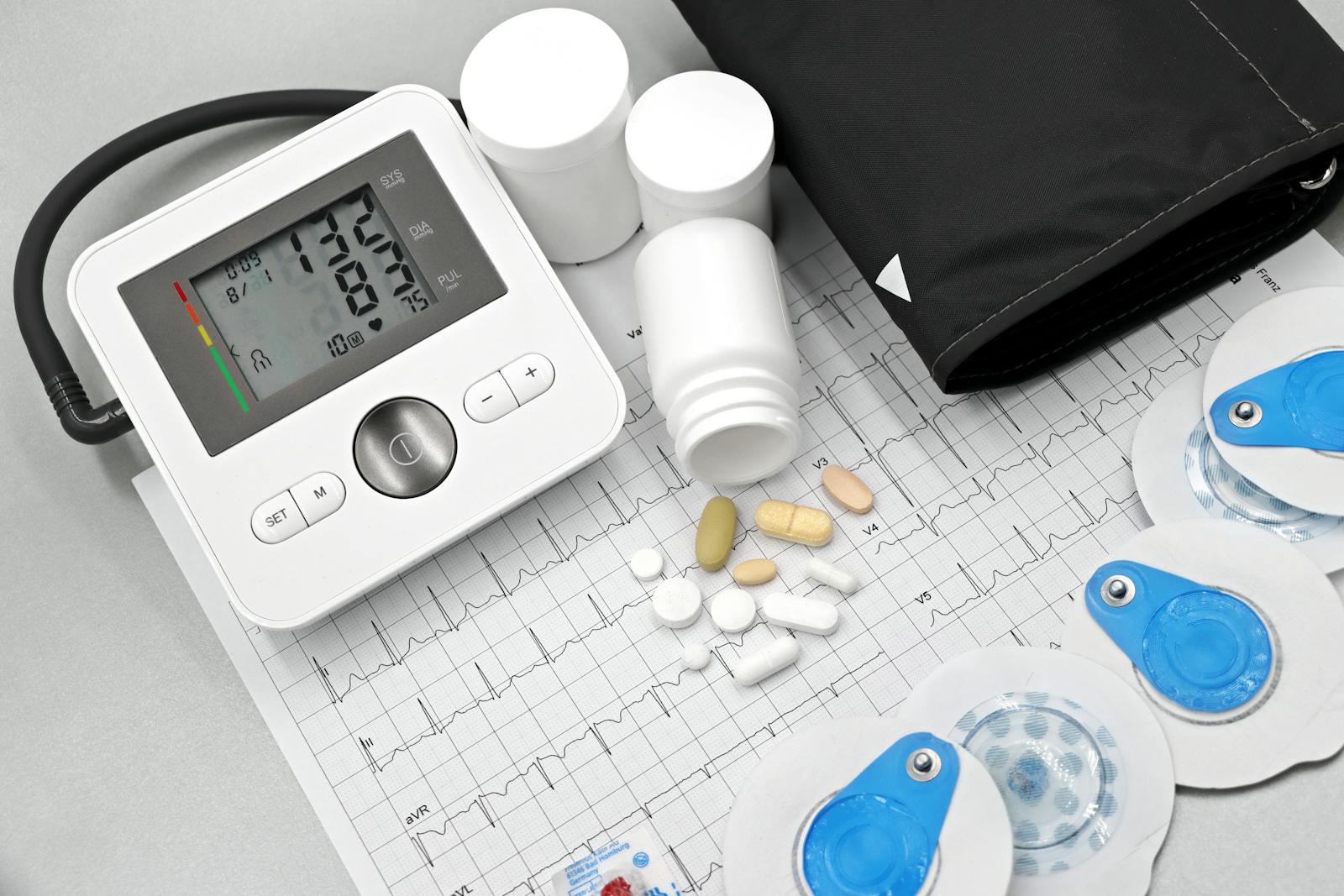
Reactive medicine is expensive. Chronic diseases account for the majority of healthcare spending globally, with cardiovascular diseases, diabetes, respiratory illness, and obesity-related complications consuming hospital resources, specialist appointments, and medication budgets. These conditions are highly preventable through relatively simple interventions: physical activity, nutrition, sleep management, stress reduction, and early screening.
Here is the part that is rarely said out loud. Most healthcare systems are economically optimized for treatment, not prevention. Prevention yields fewer transactions. Fewer appointments. Less medication consumption. Less billing. From an industry revenue standpoint, chronic illness is sticky. Hospitals cannot hit occupancy targets if everyone is healthy.
This structural misalignment is now colliding with demographic reality. Populations are aging. Urban lifestyles are sedentary. Food systems are hyper-processed. Mental stress is chronic. Waiting for people to get sick and then treating them is not financially viable over the next 20 to 30 years. Governments will not absorb the cost. Insurers will not absorb the cost. Employers will not absorb the cost. That leaves only one path forward. People must not get sick in the first place.
Technology Is Finally Making Prevention Operational
Prevention used to be vague. Doctors told patients to eat better, move more, and sleep well. No metrics. No accountability. No behavioral loop. Today, preventive health is measurable, trackable, and coachable at scale due to three technology vectors:
- Biometric wearables that generate continuous health telemetry.
- Software that translates raw data into actionable insights.
- Consumer-grade coaching platforms that bridge intent and execution.
Devices like smartwatches, continuous glucose monitors, heart rate variability trackers, and ambient health sensors are converting biological signals into structured data streams. This changes everything. Data availability enables pattern recognition, risk stratification, and early detection. The long-term upside is transformative for both public health and cost containment.
With machine learning models applied to longitudinal data, it becomes possible to predict deterioration before the patient ever becomes symptomatic. That means targeted interventions while the body is still capable of self-correction. The future state is health risk triage driven by data, not guesswork.
Behavior Change is the Real Bottleneck
Data alone does not drive healthier populations. Behavior does. And humans are notoriously bad at behavior change. This is where the corporate wellness market has historically underperformed. Most programs focused on incentives and gamification, not sustained lifestyle change. The compliance curve collapsed after novelty wore off.
The emerging playbook is different. High-performance preventive health combines monitoring, education, coaching, and accountability. It treats health like a product, not a lecture. The interventions that work share common characteristics:
- They are embedded into daily routines.
- They present clear feedback loops.
- They remove friction for the user.
- They personalize success paths instead of prescribing generic advice.
For example, continuous glucose monitors are driving a behavioral revolution in nutrition. People no longer guess which foods spike blood sugar. They see the data in real time and adjust. Sleep trackers have normalized sleep optimization as a performance metric. HRV quantification has made recovery a mainstream concept rather than a topic for Olympic athletes.
Behavior change becomes achievable once it becomes operational, visible, and personalized.
The Corporate Sector Has a Strategic Stake
Employers are not investing in wellness programs because they are altruistic. They are doing it because chronic disease, burnout, and absenteeism are killing productivity and inflating insurance premiums. A future-proof organization treats workforce health as part of its P&L management.
Healthy employees cost less, perform better, and churn less. The math is brutal and straightforward. A workforce with high metabolic risk, low fitness levels, poor sleep, and unmanaged stress will produce lower output and higher medical claims. That is not a competitive model in a market where talent scarcity and productivity pressure are rising simultaneously.
Forward-leaning employers are adopting preventive health as a strategic differentiator. They are integrating wearables into wellness benefits, offering digital-first nutrition and sleep coaching, and subsidizing early screening tests. They are not doing it out of goodwill. They are doing it because preventive health is cheaper than healthcare.
The Consumer Market is Adopting a Performance Mindset
Consumers do not want to be patients. They want to feel strong, energetic, capable, and cognitively sharp. The fitness industry used to market aesthetics. Lose weight. Gain muscle. Look good. The new value proposition is performance and longevity. Live longer. Live better. Stay sharp. Avoid medication. Maintain independence in old age.
This shift is not driven by vanity. It is driven by fear of degenerative aging and chronic illness. People have watched their parents age badly, not because of genetics but because of lifestyle and late interventions. They do not want that for themselves.
The new consumer mindset treats the body like an asset that must be managed. If you do not manage your health like an asset, it will turn into a liability. That is the unfiltered truth.
The Bottom Line
Preventive health is not hype. It is not a trend. It is a macro-level necessity driven by economics, demographics, and technology. Reactive healthcare cannot scale, cannot stay affordable, and cannot deliver quality outcomes for aging populations with high lifestyle disease burden.
The strategic model of the next two decades is simple. Diagnose earlier. Intervene earlier. Coach continuously. Empower individuals with data. Align incentives across employers, insurers, and consumers. Reduce dependency on hospitals and pharmaceuticals for problems that should never have developed in the first place.
Preventive health is the only scenario where everyone wins. People live better. Employers reduce cost. Insurers reduce claims. Healthcare systems reduce burden. The future is not about treating disease. The future is about avoiding it.

I think you’re spot on about how the healthcare system is optimized for treatment, not prevention. If we shifted our focus, not only could we improve quality of life, but we’d also save billions in healthcare costs.
Claim 5% Rebate and Exclusive Bonuses on AsterDEX https://is.gd/CGTnqR
Ремонт пылесосов Dyson требует внимания к деталям и точности . Ремонт таких устройств может показаться сложным, но с правильным подходом и знаниями можно добиться отличных результатов. Диагностика неисправностей в пылесосах Dyson включает в себя ряд тестов и проверок . Это шаг, который нельзя пропустить, поскольку он напрямую влияет на эффективность последующих действий.
Правильный ремонт пылесосов Dyson обеспечивает их долгую службу и высокое качество уборки . Кроме того, ремонт позволяет снизить затраты на приобретение нового оборудования и сократить время простоя устройств. Ремонт пылесосов Dyson с помощью профессионалов обеспечивает гарантию качества работы.
Основные поломки и их устранение
Поломки в системе фильтрации также могут привести к снижению эффективности работы пылесоса. Для их устранения необходимы определенные инструменты и знания. Устранение засоров в пылесосах Dyson включает в себя осмотр и очистку воздушных каналов . Это позволяет вернуть пылесосу его прежнюю производительность и качество уборки.
Использование пылесосов Dyson в соответствии с инструкцией производителя также снижает риск поломок. Для предотвращения поломок необходимо следовать рекомендациям производителя по эксплуатации и обслуживанию . Это не только экономит время и деньги, но и обеспечивает безопасность использования устройства.
Инструменты и материалы для ремонта
Для ремонта пылесосов Dyson необходимы специальные инструменты и материалы . Выбор правильных инструментов и материалов имеет важное значение для успешного ремонта . Это позволяет обеспечить долгую службу и высокое качество работы пылесоса после ремонта.
Ремонт пылесосов Dyson также требует определенных знаний и навыков . Практический опыт в ремонте пылесосов является лучшим учителем для развития навыков и знаний. Это позволяет пользователям стать более независимыми и способными выполнять ремонт самостоятельно.
Правильный подход к ремонту и техническому обслуживанию может значительно улучшить производительность и эффективность устройства . Для этого будут необходимы новые знания и навыки в области ремонта и обслуживания . Это означает, что пользователям и профессионалам необходимо быть готовыми к новым вызовам и развивать свои навыки и знания.
Перспективы ремонта пылесосов Dyson включают в себя использование новых материалов и технологий . Ремонт пылесосов Dyson будет продолжать эволюционировать вместе с развитием технологий . Это позволит обеспечить еще более качественную и эффективную уборку с помощью пылесосов Dyson в будущем.
ремонт пылесосов дайсон в москве адреса [url=http://www.dyson-service-center-msk.ru]https://dyson-service-center-msk.ru/[/url]
Fast indexing of website pages and backlinks on Google https://is.gd/r7kPlC
Ремонт фена Дайсон в Москве является важнейшей услугой для тех, кто ценит качество и надежность своей бытовой техники. Это связано с тем, что фены Дайсон известны своей высокой стоимостью, но и непревзойденным качеством. Покупка нового фена может быть очень дорогой, поэтому ремонт часто становится наиболее экономически эффективным вариантом. Поэтому многие люди ищут возможности для качественного ремонта своих фенов.
Ремонт фена Дайсон в Москве может быть выполнен в специализированных сервисных центрах, которые имеют необходимые инструменты и квалифицированных специалистов.
Преимущества ремонта фена Дайсон
Ремонт фена Дайсон в Москве может существенно продлить срок службы вашего прибора, сохраняя при этом его высокое качество.
Заключение и рекомендации
Таким образом, ремонт фена Дайсон в Москве является лучшим решением для тех, кто хочет сохранить свою бытовую технику в рабочем состоянии без лишних затрат.
ремонт фена дайсон [url=https://www.remont-tehniki-dyson.ru]https://remont-tehniki-dyson.ru/[/url]
Hello https://is.gd/tvHMGJ
Hello https://is.gd/tvHMGJ
Hi https://is.gd/9PLRLO
Drive sales, collect commissions—join our affiliate team!