
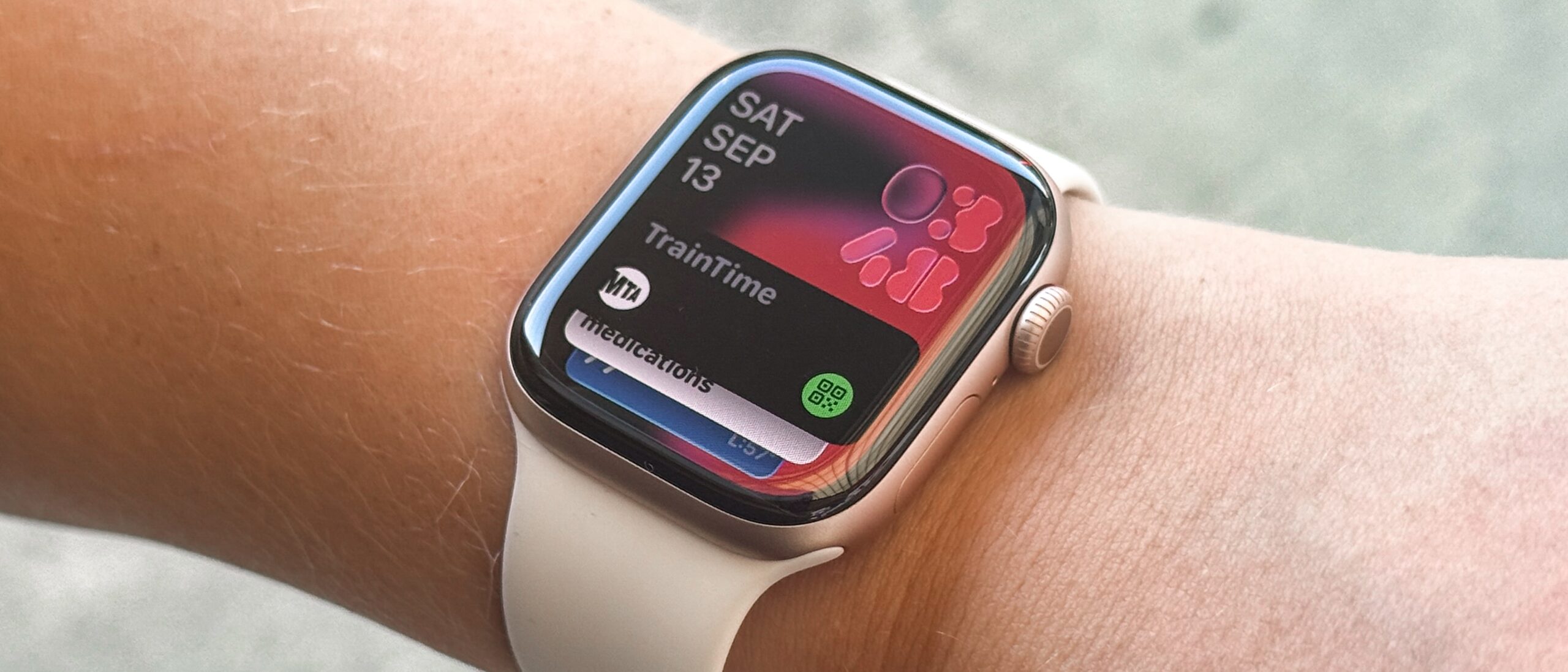
Every tap, ring, and reminder on the Apple Watch is engineered to make you move but not overwhelm you. That is not coincidence. It is behavioral science deployed at scale. The Apple Watch 11 pushes this strategy further by refining how, when, and why it nudges you. The objective is not to flood you with pings. The objective is to shape habits through context aware micro interventions that feel natural rather than intrusive.
Most digital health platforms default to brute force motivation. Close this ring. Hit this streak. Do not break the chain. It works for a few weeks and then fatigue sets in. The psychology behind sustainable behavior change is different. Humans respond best to prompts that map to their actual state. If you are underslept, stressed, or recovering from intense training, relentless stimulation backfires. The Apple Watch 11 uses readiness data, sleep quality, activity patterns, and stress proxies to choose when to stay quiet and when to activate. This is habit formation with respect for human variability.
This alignment between gentle push and personal space is Apple’s real advantage. Many consumer platforms drown users in dopamine loops. They mistake novelty for sustainability. Apple plays a slower game. The Watch 11 is calibrated for subtle consistency. It cares less about short term engagement spikes and more about long term compliance. That matters because habits that drive health outcomes are built through repetition and environmental support, not through coercion or guilt.
The behavioral model behind these nudges draws from established research in motivational psychology and habit design. Prompts must be timely, actionable, and appropriately intense. Too many prompts and the user tunes out. Too few prompts and the habit never forms. Apple uses real time biometrics as a gating mechanism for these decisions. For example, if readiness is high, it may suggest that you push or complete a workout. If your resting heart rate is elevated and sleep was poor, the prompt may shift toward mobility or recovery. The nudge is always framed as guidance, not pressure.
There is also a UX psychology component here. The Watch avoids shame based language. It never tells you that you are failing. It invites you to take small actions that compound. That framing matters because shame may generate compliance in the short term but it destroys adherence in the long term. Positive reinforcement and self efficacy produce durable behavioral change.
The broader context is that we do not need more alerts in our lives. We need the right alert at the right time. The Apple Watch 11 understands that the wrist is a privileged channel. It is intimate, immediate, and impossible to ignore. With that level of access comes responsibility. Apple’s design philosophy is to activate that channel sparingly with high value and low friction nudges. That is why the Watch 11 feels less like a taskmaster and more like a teammate.
This is the psychology of the new wearable era. Not addiction. Not intensity. Not shame. It is about aligning nudges with user context to make healthy behaviors easier than unhealthy ones. The Watch 11 is not trying to change who you are. It is trying to change what you do in small moments and those small moments compound into real outcomes.