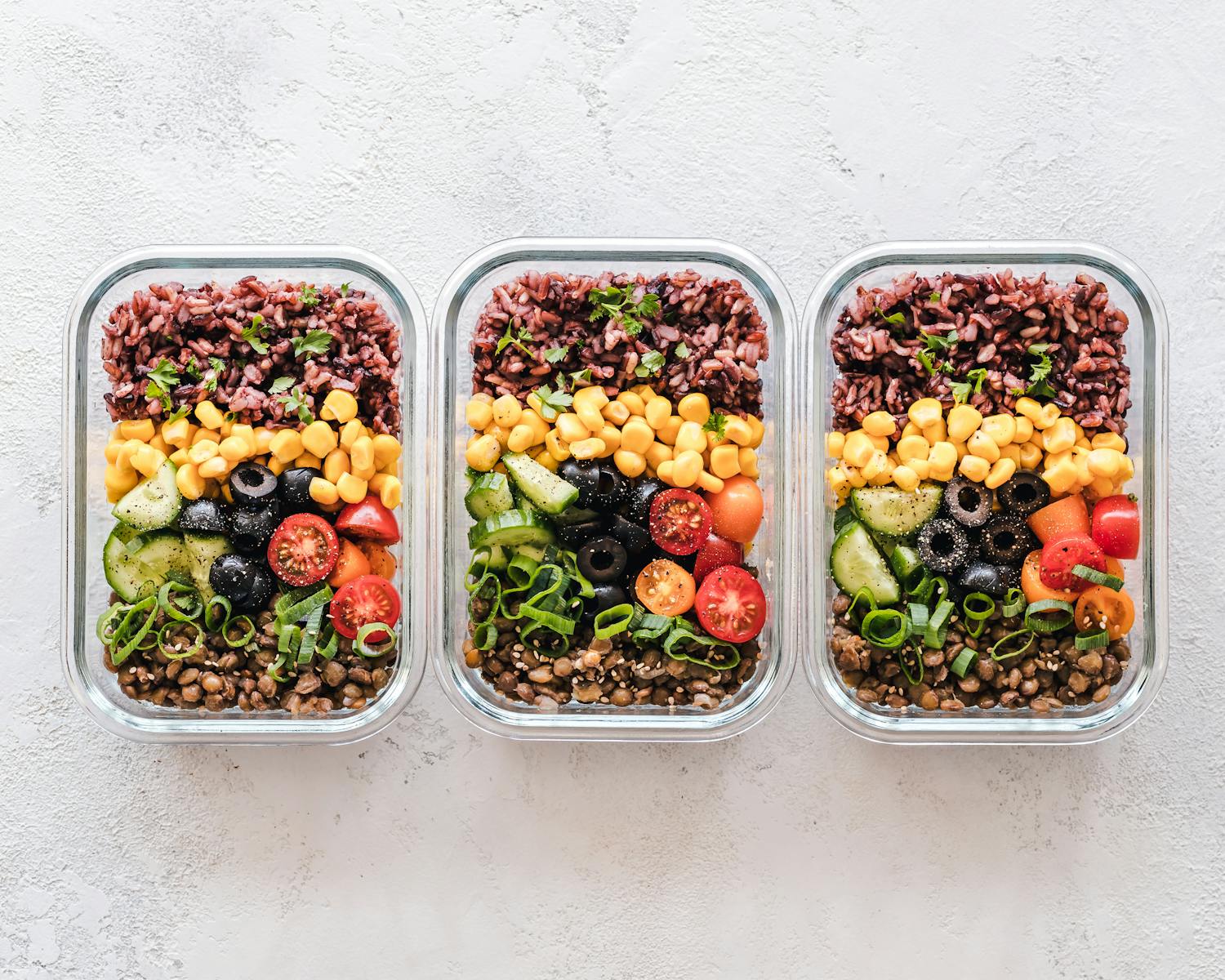

Macro counting, often branded as IIFYM or If It Fits Your Macros, is a nutrition strategy that prioritizes precision and flexibility. Instead of eliminating food groups or chasing vague clean eating labels, the model focuses on hitting daily targets for carbohydrates, protein, and fat. This turns nutrition into a measurable input rather than a guessing game. That makes it attractive for people running clear objectives such as fat loss, muscle gain, or maintenance during heavy training cycles.
So what is macro counting at a functional level. It is the practice of assigning daily gram targets for three macronutrients and structuring meals to hit those numbers consistently. Carbohydrates fuel training and daily movement. Protein supports muscle repair and growth. Fat drives hormonal health, cell structure, and nutrient absorption. When you calibrate each macronutrient to your body weight, energy expenditure, and goals, you build a nutritional operating system that is adaptable and transparent.
The benefits are legitimate. Macro counting produces balanced nutrition by design. People who restrict carbs chronically or fear dietary fat often underperform in the gym or experience energy crashes. Macro targets eliminate that problem by forcing appropriate distribution across all three macronutrients. It also builds portion awareness. Most adults underestimate caloric intake by large margins because portion sizes are abstract. Weighing or measuring food for a period of time educates the user and replaces guesswork with data. The third benefit is flexibility. IIFYM does not label foods as good or bad. If something fits into your macro and calorie targets, it is permitted. That flexibility increases compliance, especially for people who struggle with rigid clean eating dogma.
There are downsides that need to be acknowledged with equal clarity. Macro counting is time consuming at the beginning. It requires reading labels, measuring portions, and logging meals. For busy professionals or parents, that can feel burdensome. There is also a psychological risk. Some users become overly focused on numbers at the expense of food quality and mental wellbeing. Eating is not supposed to be a math anxiety event. Finally, macro counting is not universal in its effectiveness. Some people thrive on structure. Others burn out or feel restricted. The tool must match the user.
Is macro counting the right strategy for you. Ask yourself a few pragmatic questions. Do you have a clear performance or body composition goal. Are you willing to track inputs consistently for at least eight to twelve weeks. Do you have a healthy relationship with food or does tracking amplify stress. Are you willing to learn the basics of reading labels and using a food scale. If the answer is yes, macro counting can be a powerful productivity framework for nutrition. If not, a less intensive approach such as balanced plate models or hand portion guides may deliver better long term sustainability.
If you decide to engage, the smartest move is to align with a registered dietitian or performance nutrition coach to define targets and ensure micronutrient coverage. Macro counting optimizes the big rocks of nutrition. Professional support ensures you do not ignore the rest.